







Outdoors life has a way of sorting the good gear from the forgettable stuff.
You might only notice it a few months in. A handle that starts to fray. A seam that gives up when you are loading the car for a weekend away. A tote that becomes the backup bag you keep around, but never really trust.
This post is for a certain kind of person. Someone who values quality materials, longevity, and the quiet convenience of gear that just works.
Cost per use is the simplest way to buy like that.
Cost per use calculator
Add three numbers, see what it costs each time you use it. The currency does not matter, the pattern does.
Item price
Use today’s real price.
Uses per week
Estimate your actual routine.
Expected lifespan
Be realistic, care matters.
Estimated total uses
0
Cost per use
$0.00
Update the numbers above to see the outcome.

Why we made this post
Most people compare gear the wrong way. They compare price tags, not outcomes. Then they get surprised when the cheaper option becomes the one they replace. Not once, but repeatedly.
Cost per use flips it. It helps you buy the thing you will reach for, trust, and keep.
Quality is convenience. It saves you time, stress, and those small moments where something fails right when you need it.
Who this is for
This is for people who want fewer things, but better things.
- You value honest materials over gimmicks
- You want gear that fits into your routine without drama
- You would rather maintain something than replace it
We can talk about throwaway culture and the wider impact another time. It matters, but today we are keeping it practical.
How to use the tool properly
The calculator is simple. The only way to get a misleading result is to be unrealistic with the inputs.
Keep it fair when comparing two items.
- Use the same uses per week for both items
- Change the price to match what you would actually pay
- Adjust lifespan based on build quality and care
If a result only works when you give it an unrealistically long lifespan, that tells you something too.
A simple example, Better Tote versus standard totes
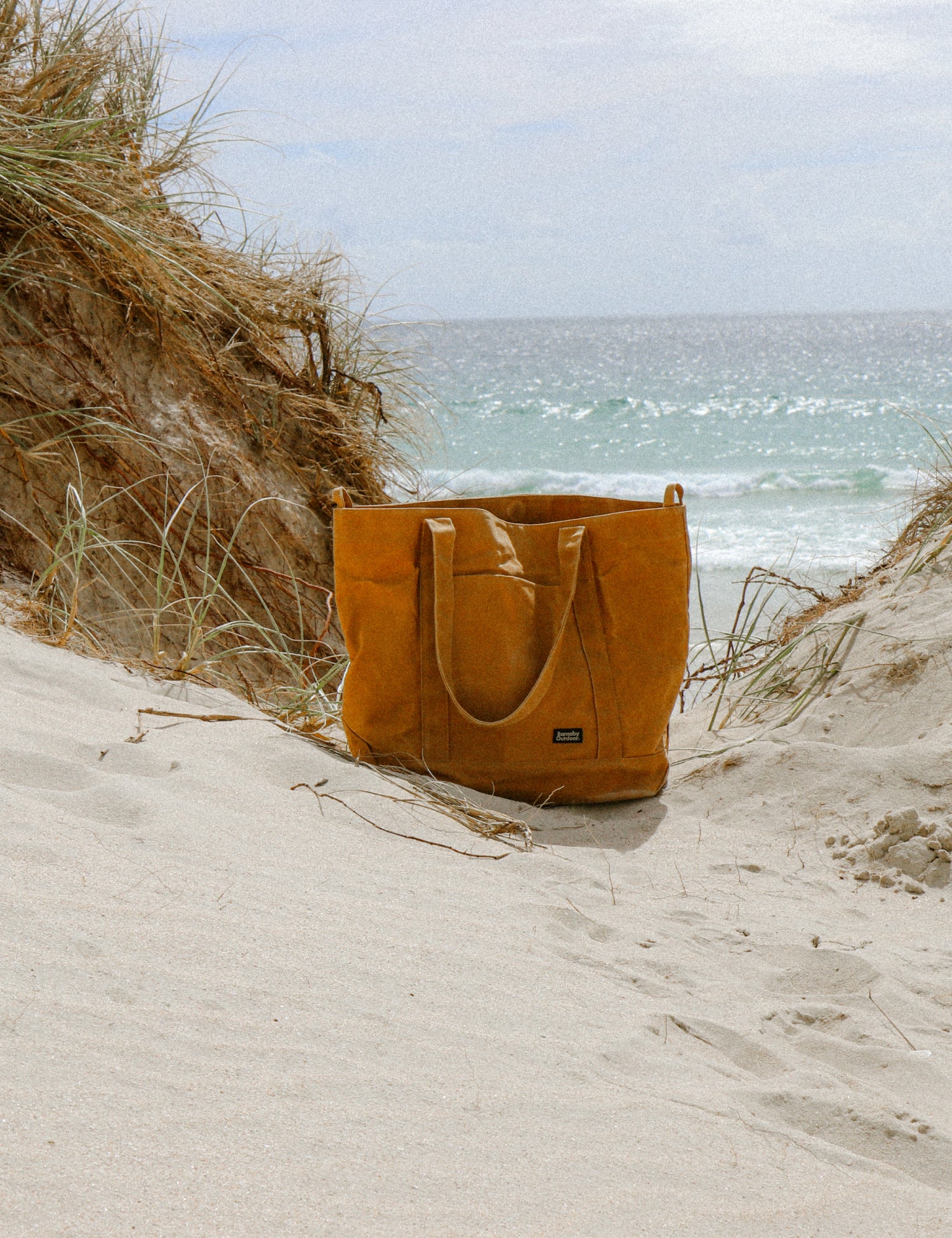
Here is the everyday use case. A tote that gets used for everything. School gear. Market runs. Wet towels. Snacks. A laptop. That awkward mix of clean and muddy stuff that always seems to happen when you are trying to get out the door. A standard tote can be fine for light errands. But if it is not built for load, abrasion, and repeated use, it often gives up early. A waxed canvas tote is built for the heavier routine. And if it is well cared for, it can last a very long time. In some cases, a lifetime.
Try this:
- Enter the price of a standard tote
- Set your uses per week to match your real routine
- Choose a lifespan that feels realistic for that build
- Now enter the Better Tote price
- Increase lifespan based on care and maintenance
That is where cost per use becomes obvious. Not because it is trying to sell you anything, but because the maths stops you from overvaluing cheap gear.

Why materials matter
Cost per use naturally favours materials that age well. Waxed canvas is cotton fabric saturated with wax. That wax adds water resistance and helps the fabric shrug off grime. More importantly, it changes how the product ages. It develops character rather than falling apart. The point is not perfection. The point is staying useful.
If you want the background on why we back waxed canvas
Read the waxed canvas story here.
Final thought
Before you buy, ask one question. Will I still be using this in five years?
If the answer is yes, buy the version built for that future. Use it hard. Maintain it. Keep going.
Shop the Better Tote here.